RISING PANGASIUS PRICES BRING HIGHER PROFITS, BUT STABLE SUPPLY NEEDED
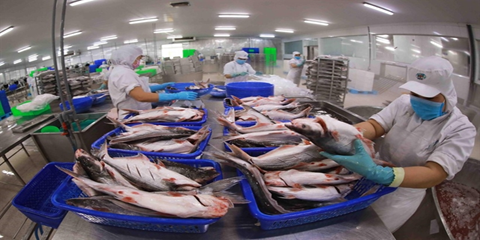
Prices of raw pangasius in the Mekong Delta are rising, bringing higher profits to fish farmers. To sustain growth and maintain its export market share in 2027, this billion-dollar industry needs to secure a stable supply of raw materials, strengthen disease control and increase the value of processed products. Pangasius farmers in several provinces across the Mekong Delta are welcoming record-high prices for market-ready fish, currently at around VNĐ38,000 (US$1.50) per kilogramme after recent periods of market volatility.
VIỆT NAM SEEKS INVESTMENT IN HIGH-QUALITY, LOW-EMISSION RICE VALUE CHAIN
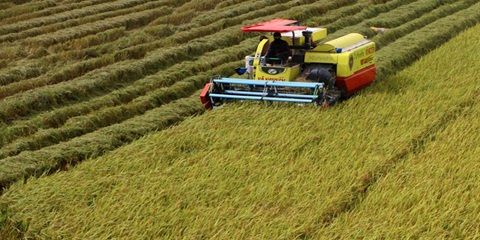
Việt Nam is seeking to attract more foreign investment to develop high-quality, low-emission rice value chain which is expected to support the country’s transition towards greener and more sustainable agriculture. The push is highlighted at a forum on foreign direct investment (FDI) promotion in agriculture and rural development held in Cần Thơ City on November 23, as part of the second Vietnam International Rice Industry Festival 2026 organised by the Ministry of Agriculture and Environment and the Cần Thơ People's Committee.
CÀ MAU PRODUCERS STEP UP EFFORTS TO MEET HCM CITY MARKET DEMANDS
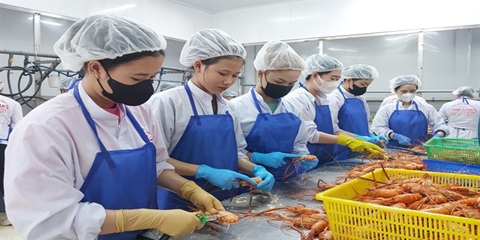
Co-operatives and local producers in Cà Mau Province are improving product quality, production standards and traceability to meet growing demand in HCM City. The Cửu Long (Mekong) Delta province is well known for its diverse agricultural products, especially shrimp and mud crab. At the Trúc Thương Co-operative in Đầm Dơi Commune, efforts to improve product quality focus on processed products made from đất shrimp – a species harvested from the wild rather than farmed – and black tiger shrimp.
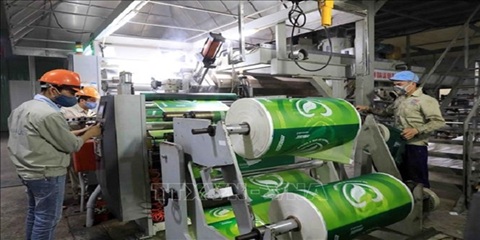
VIỆT NAM DISCUSSES OPPORTUNITIES TO PROMOTE PACKAGING EXPORTS
At a trade promotion conference organised by the Ministry of Industry and Trade on November 18, Lê Hoàng Tài, deputy director of the Vietnam Trade Promotion Agency, said packaging is an important supporting industry for manufacturing, processing and exports across sectors ranging from food and beverages to agriculture, textiles, electronics and consumer goods.
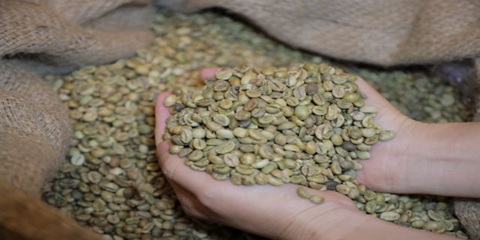
VIỆT NAM BUILDS DOMESTIC COMMODITY EXCHANGE TO BOOST FARM PRODUCE
In a bid to move from a major agricultural producer to a global price-setter, Việt Nam is laying the groundwork for a domestic commodity derivatives market. Robusta coffee will be the first physical commodity listed, helping local businesses hedge against price volatility while elevating Vietnamese farm produce on the world stage.
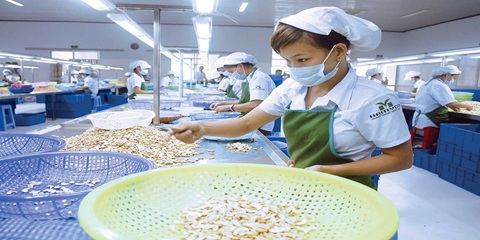
VIETNAMESE COMPANIES OPTIMISTIC ON INTERNATIONAL GROWTH
Vietnamese businesses are among the most confident about the outlook for international trade, according to HSBC’s Global Trade Pulse Survey 2026, released on November 16. The survey captures the views of 10,000 senior business leaders across 26 markets on trade, tariffs, supply chains, and technology. Findings show that 94 per cent of Vietnamese businesses expect their international trade to grow over the next two years. Vietnam ranks joint top in the survey with the Philippines, compared with 86 per cent globally.
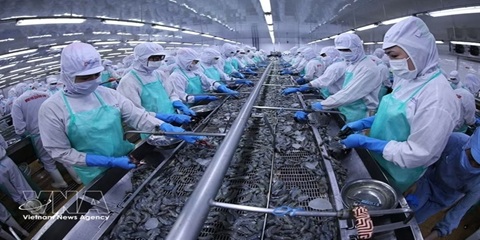
VIETNAMESE SEAFOOD EXPORTS CLOSE IN ON $12 BLN RECORD
Việt Nam remains well placed, with seafood sold in most countries and accepted in premium markets on the back of deep-processing capacity and a broad product mix. Việt Nam’s seafood exports kept up double-digit growth in the first 10 months of 2026, reaching nearly US$10.5 billion, up more than 12 per cent from a year earlier. That gives the sector new momentum into year-end when holiday demand climbs in western and Asian markets.
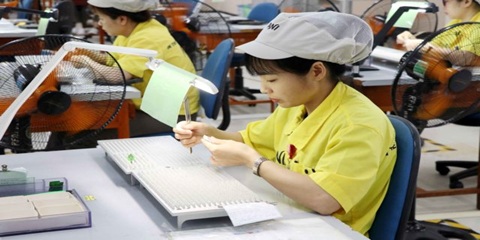
VIỆT NAM URGED TO PRIORITISE FOREIGN INVESTMENT QUALITY OVER INVESTMENT SCALE
Việt Nam needs to move beyond headline foreign investment figures and place greater emphasis on investment quality, technology transfer and links with domestic businesses, experts have said, as registered foreign investment reached an 18-year high in the first 10 months of 2026. The country attracted US$54.85 billion in registered foreign investment during the January-October period, up 74 per cent from a year earlier and the highest level since 2008, according to the Ministry of Finance's National Statistics Office.