Want to be in the loop?
subscribe to
our notification
Business News
GOV'T APPROVES LOGISTICS SERVICES DEVELOPMENT STRATEGY TOWARDS 2025
The Government has approved the Logistics Services Development Strategy for the 2025–2035 period, with a vision to 2050.
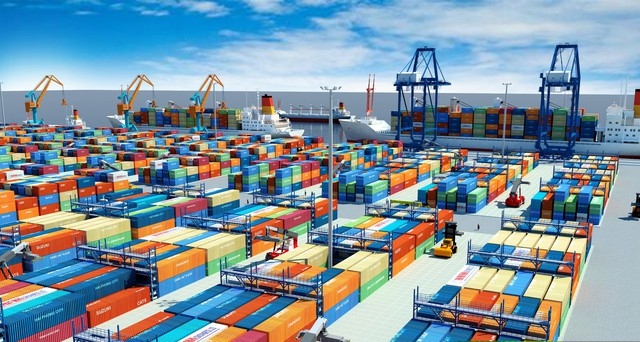
The strategy targets to convert Viet Nam into as a global trans-shipment and distribution hub
Under the strategy. the Government targets to build a sustainable, efficient, and high value-added logistics sector with strong competitiveness, capitalizing on Viet Nam's advantages in global supply and value chains.
The added value of logistics services is expected to account for 5–7 percent of the national GDP, growing at an average annual rate of 12–15 percent.
The strategy also aims to raise the outsourcing rate of logistics services to 70–80 percent while reducing logistics costs by 12–15 percent of GDP.
The Southeast Asian nation targets to be among the top 40 countries and territories in the World Bank's Logistics Performance Index (LPI). By 2025, 80 percent of logistics enterprises are expected to adopt digital transformation solutions.
The sector will promote low-emission and green energy transition. By 2035, 70 percent of the logistics workforce will be professionally trained, including 30 percent with university degrees, and five world-class logistics centers will be established as regional and global hubs.
By 2050, logistics services are expected to account for 7–9 percent of GDP, growing 10–12 percent annually, with the outsourcing rate reaching 80–90 percent and logistics costs reduced to 10–12 percent of GDP. Viet Nam also aims to rank among the world's top 30 in the LPI, with all logistics enterprises fully implementing digital transformation solutions.
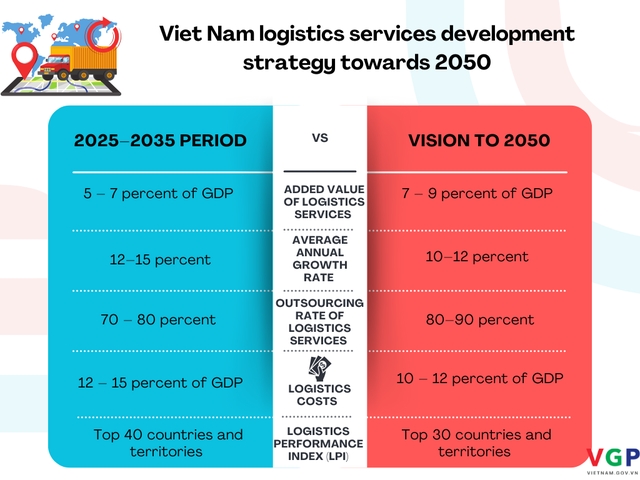
Positioning Viet Nam as a global trans-shipment and distribution hub
To realize the above goals, the strategy outlines measures to improve the legal and institutional framework, enhance the business environment, attract participation from all economic sectors, and strengthen international integration. It also emphasizes better state management and law enforcement in the logistics sector, aligned with market mechanisms and global practices.
The Government will prioritize investment in modern, synchronized logistics infrastructure—including transport, trade, and digital systems—ensuring environmental protection, disaster prevention, and climate resilience.
The strategy highlights the need to strengthen cross-sectoral, regional, and international linkages, develop sustainable logistics markets and supply chains, enhance business competitiveness, and foster green, high-quality logistics services based on digital platforms.
The strategy underscores the importance of innovation, research, and advanced technology application to improve logistics efficiency in production, trade, and distribution at both domestic and international levels.
In parallel, Viet Nam will develop high-quality logistics human resources, modern supply chains, and value-added logistics services to meet domestic and global demand, working towards positioning the country as a global transshipment and distribution hub.
Source: VCCI
Related News
INFRASTRUCTURE / CONSTRUCTION / LOGISTIC / PORT
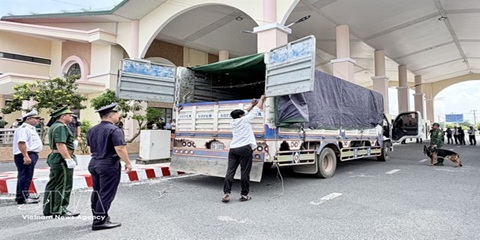
VIỆT NAM-CAMBODIA TRADE GATHERS PACE TOWARDS $20 BILLION TARGET
Trade between Việt Nam and Cambodia continues to grow, remaining a bright spot and a key pillar of bilateral cooperation as the two countries aim to raise two-way trade to US$20 billion in the coming years. After setting a record of more than $11.3 billion last year, bilateral trade reached about $8.7 billion in the first eight months of this year, up 8.3 per cent year on year.
TECHNOLOGY
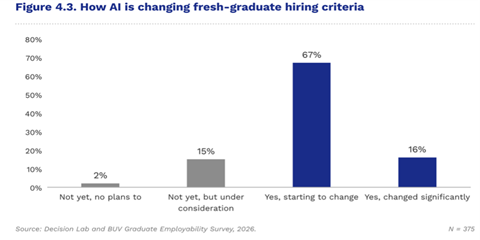
AI BEGINNING TO RESHAPE RECRUITMENT CRITERIA
Digital literacy is the only capability area in which fresh graduates meet employers’ expectations, according to a new report. Yet, it is also the standard rising fastest, as businesses increasingly expect new hires to use AI effectively in the workplace. Some 83 per cent of employers say AI has changed, or is beginning to change, their hiring criteria, while 94 per cent report higher expectations for digital and AI capabilities than they had two to three years ago.
INFRASTRUCTURE / CONSTRUCTION / LOGISTIC / PORT
ĐÀ NẴNG GREEN-LIGHTS US$105 MILLION THAI DEVELOPMENT DEAL
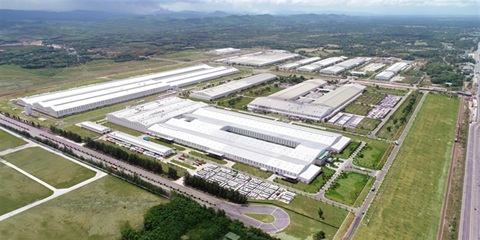
The central city has approved an investment proposal by Thailand’s WHA Group to develop infrastructure for the 400ha WHA Đà Nẵng Industrial Park project on two communes of Thăng Bình and Đồng Dương, with an investment of more than VNĐ2.7 trillion (US$105 million). The city said it approved WHA Industrial Development International's status as an investor in the project, which is expected to take place between 2027 and 2034.
VIETNAM ECONOMY INVESTMENT
MOBILE PHONE EXPORTS RISE 20% TO $51.8 BILLION IN FIRST NINE MONTHS
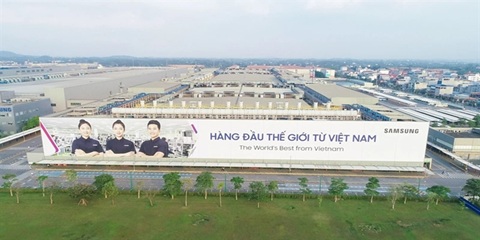
Exports of mobile phones and components rose 20 per cent year-on-year to nearly US$51.8 billion in the first nine months of 2026, with China, the US and Republic of Korea accounting for more than half of the total. Shipments to the three markets reached a combined $26.18 billion, or 50.6 per cent of total exports of the product group during the period, according to data from the Vietnam Department of Customs under the Ministry of Finance.
VIETNAM ECONOMY INVESTMENT
FRUIT AND VEGETABLE EXPORTS POISED TO HIT $10 BILLION IN 2026
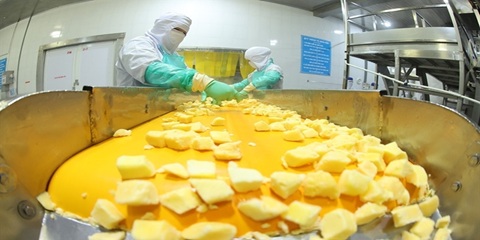
Fruit and vegetable exports are on track to reach nearly US$10 billion in 2026, after rising 19.9 per cent year on year to nearly US$7.4 billion in the first nine months, driven by strong seasonal demand and abundant tropical fruit supplies. The Ministry of Agriculture and Environment said the growth reflected stronger international demand for fresh produce and processed agricultural products.
GARMENT / TEXTILE
TEXTILE EXPORTS FACE DUAL CHALLENGES OF SUSTAINING ORDERS AND BOOSTING EFFICIENCY AMID GROWING COMPETITION
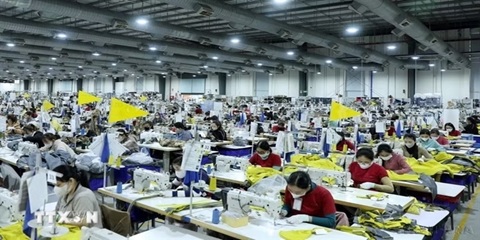
Data shows that the textile and garment sector maintained its growth momentum in the first nine months of this year. The industry's total export turnover reached an estimated US$35.721 billion in the first nine months of this year, up 3.3 per cent year-on-year. Despite posting encouraging export figures, Vietnamese textile and garment enterprises continue to navigate unpredictable market variables.
Events Sponsors






















