Want to be in the loop?
subscribe to
our notification
Business News
VIETNAM LOGISTICS COSTS ACCOUNT FOR 16 PER CENT OF GDP
Digital transformation is expected to give Vietnam's logistics sector a much-needed boost, improving productivity and reducing logistics costs to between 12-15 per cent of GDP.
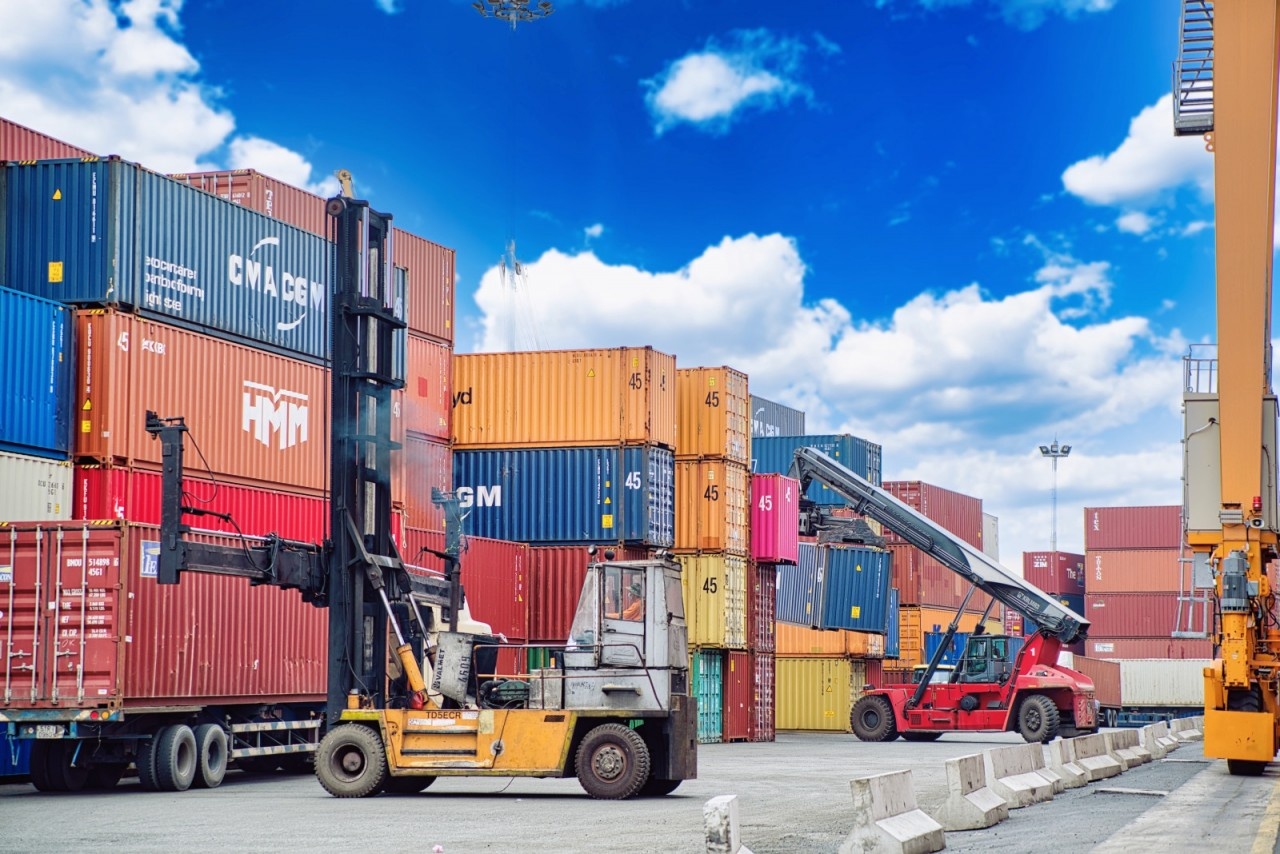
Photo: Thoi bao tai chinh
Speaking at a logistics conference on August 26, Ho Thi Quyen, deputy director of the Ho Chi Minh City Investment and Trade Promotion Centre, said that Vietnam is now home to more than 34,000 logistics companies, with the sector contributing around 4.5-5 per cent of GDP.
However, logistics costs remain high at approximately 16 per cent of GDP. Digital transformation is therefore seen as a key solution to reducing costs while improving connectivity and efficiency across the logistics supply chain.
“Under the development strategy for the 2025-2035 period, digital transformation has been identified as one of the key directions for improving productivity and bringing logistics costs down to around 12-15 per cent of GDP,” Quyen said.
According to Ngo Khac Le, deputy secretary-general of the Vietnam Logistics Business Association, digital transformation is also creating a widening gap between logistics companies. While larger enterprises have made relatively widespread use of electronic documentation, small- and medium-sized enterprises continue to face constraints in terms of financial resources and technology.
“If we do not move quickly enough to keep pace, we will not be able to become part of the regional and global logistics services supply chain,” Le said.
To narrow this gap, he said that state agencies should continue upgrading digital platforms and improving interoperability between different systems. This would enable businesses to reduce their reliance on paper documentation, shorten processing times, and lower costs.
Beyond digital connectivity, the logistics sector also needs to strengthen links between localities as cargo volumes continue to expand.
Nguyen Duy Hung, standing vice chairman of the Dong Nai Logistics Association, said that stronger logistics connectivity was needed between Ho Chi Minh City and the neighbouring provinces of Dong Nai and Tay Ninh, as well as the Mekong Delta, to expand the sector's development space and improve the efficiency of cargo transportation.
“The closer the connections, the greater the momentum and driving force for development across localities,” Hung said.
He proposed closer coordination between authorities, associations, and businesses in logistics planning and infrastructure development. He also suggested considering sandbox mechanisms to allow the controlled testing of new models, helping policies keep pace with the rapid development of the sector.
These demands are becoming increasingly pressing as manufacturers continue to expand their investments in Vietnam, increase production capacity, and raise output for export.
At Nestlé Vietnam, for example, the Nestlé Tri An factory has received nearly $600 million in investment over the past five years, almost tripling its production capacity. The factory recently began operating a new production line for instant coffee packaged in glass jars, with a capacity of 350,000 jars per day for export to 11 countries.
In the high-tech sector, Intel Products Vietnam has shipped more than 4 billion products over the past two decades, contributing over $110 billion to Vietnam's export value. In 2025 alone, the company contributed approximately $11.67 billion in export value.
Intel has increased its total investment in Vietnam to $4.1 billion and continues to expand production of high-tech products, including processors for personal computers and products serving AI applications.
The expansion of manufacturing and export production is also reflected in Vietnam's growing trade figures. According to the Customs Department, total goods import-export turnover in the first half of August 2026 reached approximately $52.33 billion, up 1.54 per cent compared with the first half of July. As of August 15, Vietnam's total goods trade had reached $712.72 billion, up 28.3 per cent on-year.
Source: VIR
Related News

INFRASTRUCTURE / CONSTRUCTION / LOGISTIC / PORT
VIỆT NAM-CAMBODIA TRADE GATHERS PACE TOWARDS $20 BILLION TARGET
Trade between Việt Nam and Cambodia continues to grow, remaining a bright spot and a key pillar of bilateral cooperation as the two countries aim to raise two-way trade to US$20 billion in the coming years. After setting a record of more than $11.3 billion last year, bilateral trade reached about $8.7 billion in the first eight months of this year, up 8.3 per cent year on year.

TECHNOLOGY
AI BEGINNING TO RESHAPE RECRUITMENT CRITERIA
Digital literacy is the only capability area in which fresh graduates meet employers’ expectations, according to a new report. Yet, it is also the standard rising fastest, as businesses increasingly expect new hires to use AI effectively in the workplace. Some 83 per cent of employers say AI has changed, or is beginning to change, their hiring criteria, while 94 per cent report higher expectations for digital and AI capabilities than they had two to three years ago.

INFRASTRUCTURE / CONSTRUCTION / LOGISTIC / PORT
ĐÀ NẴNG GREEN-LIGHTS US$105 MILLION THAI DEVELOPMENT DEAL
The central city has approved an investment proposal by Thailand’s WHA Group to develop infrastructure for the 400ha WHA Đà Nẵng Industrial Park project on two communes of Thăng Bình and Đồng Dương, with an investment of more than VNĐ2.7 trillion (US$105 million). The city said it approved WHA Industrial Development International's status as an investor in the project, which is expected to take place between 2027 and 2034.

VIETNAM ECONOMY INVESTMENT
MOBILE PHONE EXPORTS RISE 20% TO $51.8 BILLION IN FIRST NINE MONTHS
Exports of mobile phones and components rose 20 per cent year-on-year to nearly US$51.8 billion in the first nine months of 2026, with China, the US and Republic of Korea accounting for more than half of the total. Shipments to the three markets reached a combined $26.18 billion, or 50.6 per cent of total exports of the product group during the period, according to data from the Vietnam Department of Customs under the Ministry of Finance.

VIETNAM ECONOMY INVESTMENT
FRUIT AND VEGETABLE EXPORTS POISED TO HIT $10 BILLION IN 2026
Fruit and vegetable exports are on track to reach nearly US$10 billion in 2026, after rising 19.9 per cent year on year to nearly US$7.4 billion in the first nine months, driven by strong seasonal demand and abundant tropical fruit supplies. The Ministry of Agriculture and Environment said the growth reflected stronger international demand for fresh produce and processed agricultural products.

GARMENT / TEXTILE
TEXTILE EXPORTS FACE DUAL CHALLENGES OF SUSTAINING ORDERS AND BOOSTING EFFICIENCY AMID GROWING COMPETITION
Data shows that the textile and garment sector maintained its growth momentum in the first nine months of this year. The industry's total export turnover reached an estimated US$35.721 billion in the first nine months of this year, up 3.3 per cent year-on-year. Despite posting encouraging export figures, Vietnamese textile and garment enterprises continue to navigate unpredictable market variables.
Events Sponsors






















