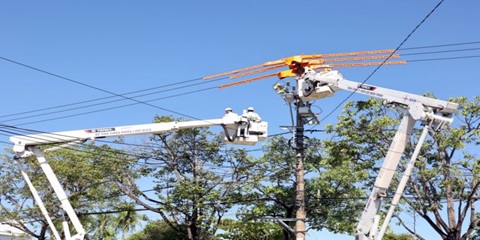
SMART ENERGY INFRASTRUCTURE CRITICAL FOR GREEN GROWTH
Developing smart energy infrastructure will be critical for Việt Nam to achieve its green growth ambitions, as the global energy transition has entered a new phase that requires more flexible, resilient and digitally enabled energy systems. At the Smart Energy Infrastructure Development Forum in Hà Nội, experts said that countries must move beyond simply expanding renewable power generation and focus on building smarter energy systems.
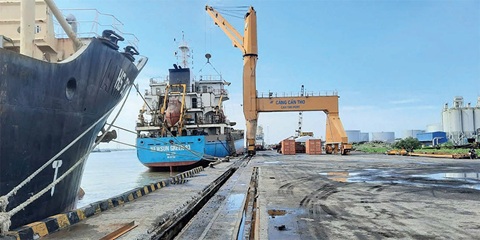
CAN THO EYES TRANSFORMATION INTO A MODERN INTERNATIONAL LOGISTICS HUB
With its extensively expanded economic space, Can Tho now possesses a range of strategic advantages, including an extensive road transport network with both north-south and east-west expressways; an inland waterway transport system; an international airport; a network of ports along the Hau River; a large concentration of industrial parks and agricultural and seafood processing facilities; and connectivity to the Mekong development corridor.
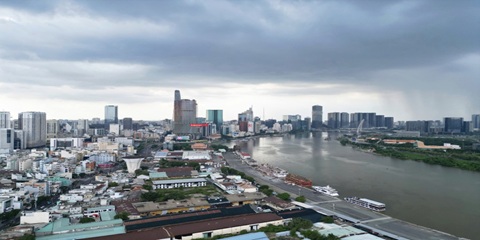
HCMC APPROVES MAJOR PROJECTS WORTH VND155 TRILLION
The HCMC People’s Council has approved a series of major transport and urban redevelopment projects under public-private partnership (PPP), with preliminary investment estimated at nearly VND155 trillion. Resolutions passed at the closing session of the council’s third meeting for the 2021-2026 term on June 19 included two flagship transport projects.
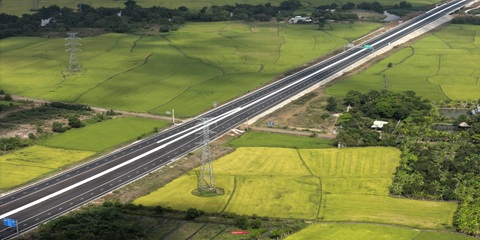
VIETNAM PLANS EXPANSION OF 15 SECTIONS OF NORTH-SOUTH EXPRESSWAY
Vietnam’s Ministry of Construction has proposed expanding 15 sections of the eastern North-South Expressway, instead of prioritizing upgrades on the busiest stretches, with construction on eligible projects expected to start in early 2027. Minister of Construction Tran Hong Minh on June 2 approved a plan to expand 15 component projects along the eastern North-South Expressway that were initially built under a phased investment approach.
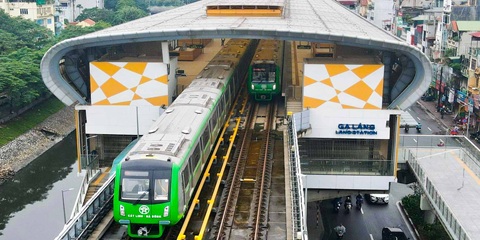
HANOI CITY PREPARES US$$1.5 BILLION METRO EXTENSION
Hanoi City will hold an international market consultation next month for the over-US$1.5-billion extension of Metro Line 2A linking the city center with the satellite urban area of Xuan Mai, the Hanoi Metropolitan Railway Management Board (MRB) said. The Early Market Engagement (EME) event will take place in Hanoi on June 18-19 ahead of formal bidding procedures for the project.
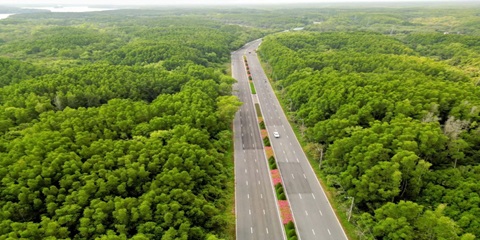
HCMC PROPOSES 58 URGENT INFRASTRUCTURE PROJECTS FOR 2026-2030
The HCMC Department of Construction has proposed a list of 58 priority infrastructure projects for implementation in the 2026-2030 period to address four major urban challenges, including traffic congestion, flooding, canal-side housing upgrades, and the city’s growing demand for social housing. The largest share of the proposed projects, with 27 in total, is focused on easing traffic congestion and enhancing regional links.
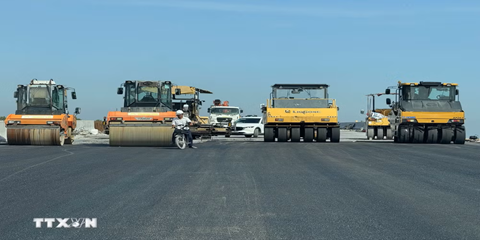
HCMC STEPS UP PUBLIC INVESTMENT DISBURSEMENT
HCMC has ordered agencies and local authorities to accelerate public investment disbursement, which reached a mere 10.5% of the full-year target in the first four months of the year. The city aims to fully disburse its record VND147.6 trillion public investment plan this year by removing bottlenecks related to land clearance, administrative procedures and construction, reported the Vietnam News Agency.
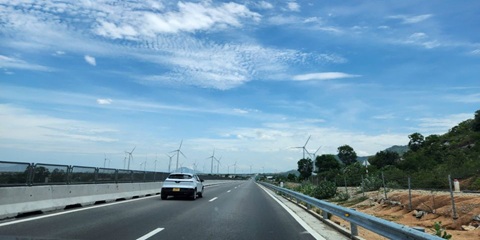
VIETNAM’S EXPRESSWAY NETWORK REACHES 3,800 KILOMETERS
Vietnam has brought more than 3,800 kilometers of expressways into operation and technical service, marking a significant step forward in the development of the country’s traffic infrastructure network. According to the latest report from the Ministry of Construction, Vietnam’s transport infrastructure network is being gradually completed in line with national planning. Of the total expressway length, about 3,345 kilometers are main expressway routes, while 458 kilometers consist of interchanges and access roads.






















