Want to be in the loop?
subscribe to
our notification
Business News
HUNG YEN BOOSTS INFRASTRUCTURE TO TAP COASTAL GROWTH POTENTIAL
Hung Yen is expanding its coastal economic space through transport infrastructure, seaport development, and logistics planning. Better connectivity between production hubs, industrial zones, and cargo networks will be key to unlocking new growth potential.
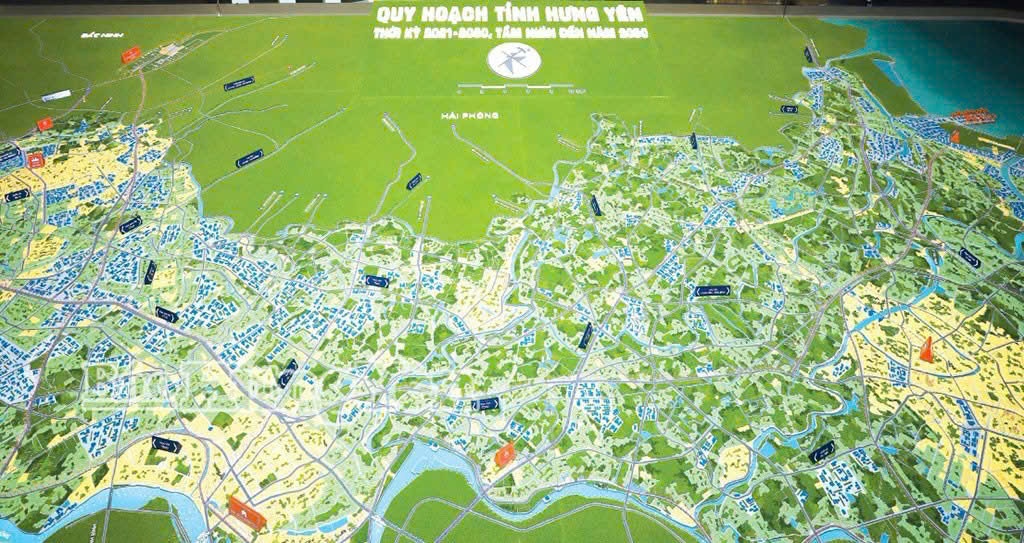
Model of Hung Yen province’s Master Plan for the 2021–2030 Period, with a Vision to 2050. Photo: Hung Yen provincial Portal
Hung Yen is shaping its development space to connect the northern industrial and urban areas with the coastal economic zone. Under the provincial master plan for the 2021–2030 period, with a vision to 2050, as adjusted under Decision No.579/QD-UBND, the province has established a structure comprising three regions, two corridors, three longitudinal axes, and four horizontal axes.
The northern growth hub will focus on industry, urban development, services, and high-tech logistics, while the eastern and southeastern coastal areas are oriented towards energy, processing and manufacturing, seaport logistics, and marine services.
Connecting these growth hubs requires a transport network that links production sites with transport hubs and markets. Roads under construction and in the pipeline are therefore expected to do more than meet travel demand; they will also help shape the province’s industrial, urban, and coastal economic space.
A key project on the interregional transport network is Ninh Binh–Haiphong Expressway, which runs approximately 33.3km through Hung Yen. Construction began in May 2025, with the route expected to be substantially completed in 2027 and opened to traffic in 2028. Once operational, the expressway will facilitate freight transport between production centres in the Red River Delta and the northern coastal region.
Within the province, the road connecting Thai Binh and Pho Hien wards stretches approximately 24.8km, with total investment of around $197.1 million. The project is expected to improve connectivity between the eastern area and the northern centre.
In the coastal area, five arterial roads connecting functional zones within Thai Binh Economic Zone have a combined investment of more than $126.3 million. These routes are expected to improve infrastructure serving production and service activities.
Hung Yen is also studying investment in an approximately 89-km north–south boulevard linking the northern and southern parts of the province and extending towards the sea. On September 28, Hung Yen People's Committee heard a report on the proposed investment policy for a section of around 29.5km, running from Nam Tien Hung commune to the coastal road in Dong Thai Ninh commune.
Under the study proposal, the main route would have six motor vehicle lanes and a design speed of 120km per hour, together with parallel roads and connecting infrastructure. The section is intended to strengthen links between Ninh Binh–Haiphong Expressway and the coastal corridor, improving connectivity in the southern part of the province.
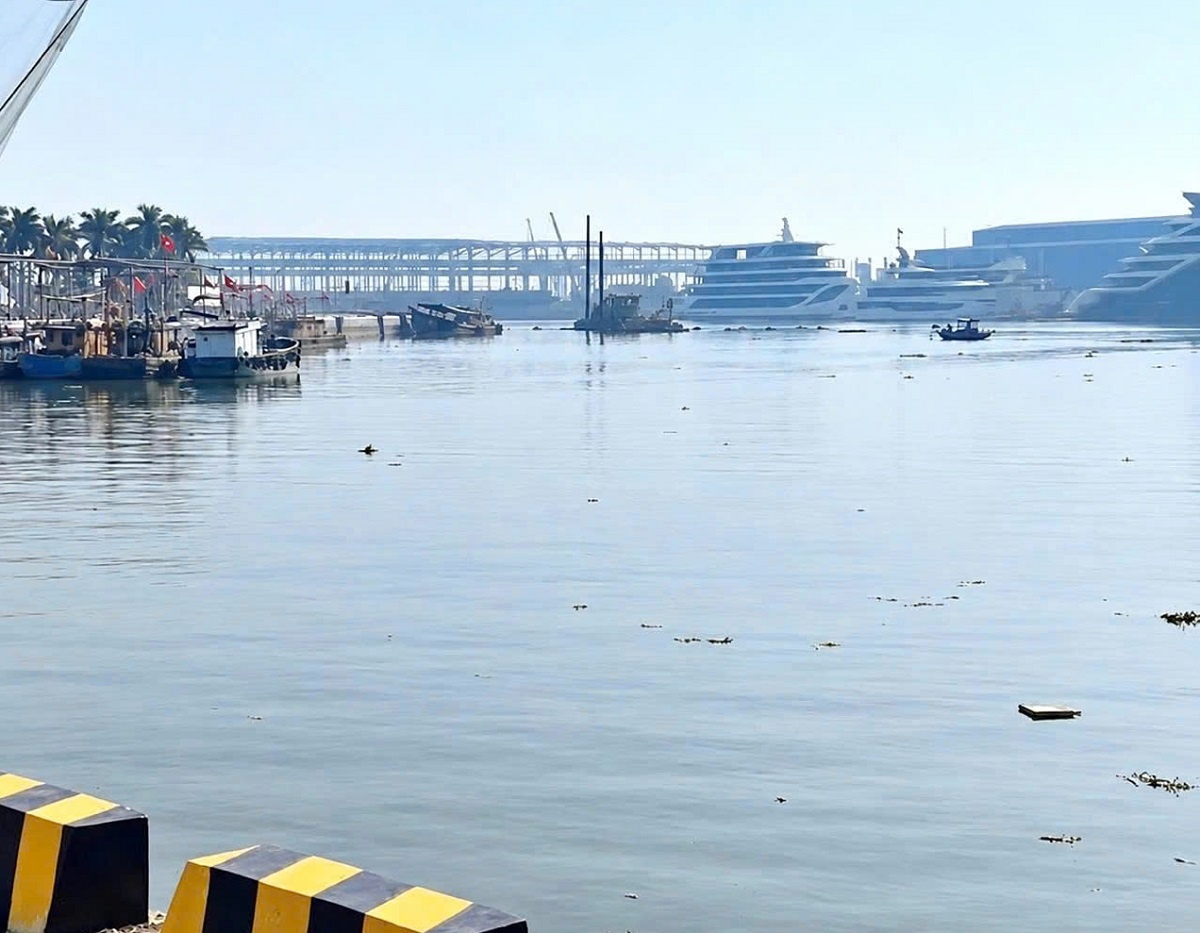
Photo: Quynh Nga
The effectiveness of these investments will depend on the completion of individual projects and how well transport infrastructure is integrated with industrial park and economic zone planning, seaport systems, and transshipment hubs. Such coordination is essential to ensuring efficient cargo flows between the province’s growth centres.
Alongside road infrastructure, seaports are expected to play a central role in enabling Hung Yen to capitalise on its coastal economic advantages.
Under Decision No.1061/QD-BXD, issued in June by the Ministry of Construction (MoC) on adjustments to the master plan for maritime infrastructure for the 2021–2030 period, with a vision to 2050, Hung Yen Port is targeted to handle between 6.8 million and 7.9 million tonnes of cargo by 2030, including approximately 20,000 TEUs of container cargo.
By 2050, cargo throughput at the port is projected to grow by an average of 9.2–9.7 per cent annually.
The Diem Dien, Tra Ly, and Ba Lat port areas are oriented towards development in line with freight transport demand and coastal economic activity. Their operational capacity, however, will depend on navigational channels, vessel-handling capacity, cargo sources, and supporting infrastructure behind the ports.
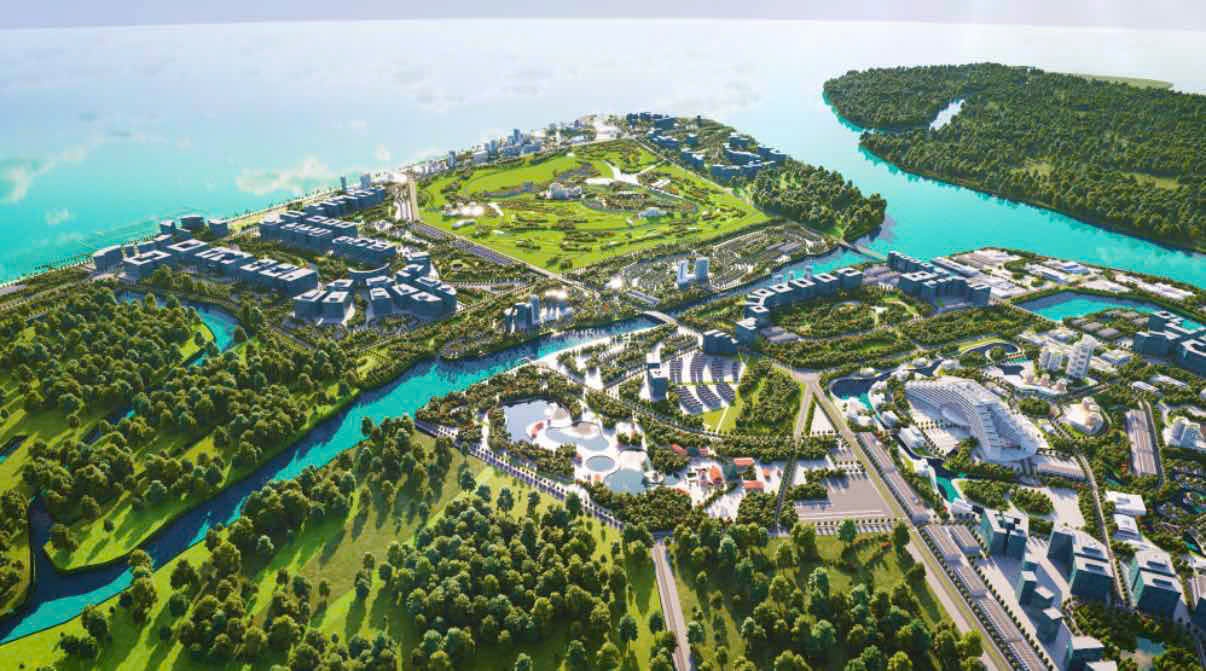
Rendering of the Ba Lat Liquid Cargo Port project in Hung Phu commune, Hung Yen province. Photo: Hung Yen provincial portal
These factors will also determine how effectively the port areas connect with industrial parks, economic zones, and the interregional transport network.
Hung Yen is proposing studies to adjust its seaport planning to accommodate larger vessels. One option is a port in the Diem Dien area capable of receiving vessels of up to 200,000 tonnes to serve Hung Yen Free Economic Zone.
At a June 23 working session with an MoC delegation on maritime and inland waterway infrastructure development, the province proposed support for adjusting seaport planning and developing inland waterway infrastructure to increase transport capacity and ease pressure on roads.
The MoC expressed support for studying the development of Diem Dien Port. It also called for assessments of the project's feasibility, its capacity to accommodate large vessels, and its compatibility with Haiphong's development orientation for Nam Do Son Port.
A port capable of receiving 200,000-tonne vessels could provide an additional option for maritime infrastructure serving Hung Yen Free Economic Zone, subject to the necessary conditions being met. However, the proposal remains at the study stage. Its scale and implementation plan require further assessment of maritime conditions, cargo sources, investment efficiency, and connectivity.
Logistics development is another long-term priority. On October 19, Hung Yen People's Committee heard a report on the outline of a project to develop Hung Yen's logistics system through 2035, with a vision to 2050.
The project aims to assess the current situation, identify demand, and study the development of logistics centres, inland container depots, warehouses, transshipment hubs, and a multimodal transport network serving industrial and agricultural production, as well as import and export activities.
The efficiency of connections between seaports and production zones will depend substantially on the logistics network. Planning for logistics centres, inland container depots, warehouses, and transshipment hubs must therefore reflect cargo sources, transport links, and business demand rather than proceed as a series of disconnected facilities.
Hung Yen's coastal growth potential extends beyond the development of new roads and port facilities. To translate its geographical advantages into stronger investment appeal and competitiveness, the province needs to align provincial planning, the national seaport master plan, transport infrastructure, and logistics services.
Integrating these components will help the coastal economic area contribute more effectively to regional production and transport networks.
Source: VIR
Related News
GARMENT / TEXTILE
GARMENT, TEXTILE INDUSTRY LOOKS TO AI, ROBOTS TO BOOST COMPETITIVENESS
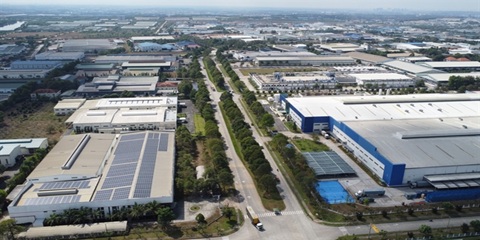
The textile and garment industry is seeking to accelerate the adoption of artificial intelligence (AI), robotics and automation to improve productivity, meet increasingly stringent international standards and move towards higher value-added production. Đỗ Nam Bình, deputy director of the Industry Agency under the Ministry of Industry and Trade, said textiles and garments remained a strategic sector of the Vietnamese economy with significant contribution to export earnings, job creation and the country’s integration into global supply chains.
VIETNAM ECONOMY INVESTMENT
ĐỒNG NAI STEPS UP EFFORTS TO ATTRACT HIGH-TECH INVESTMENT
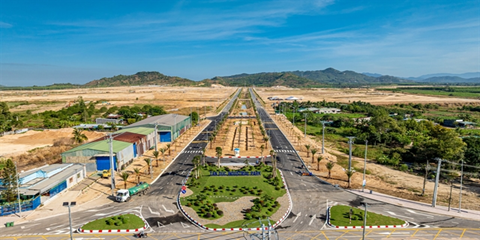
Đồng Nai City is stepping up efforts to attract high-quality foreign direct investment (FDI) in semiconductors, artificial intelligence (AI) and other advanced technologies, as it seeks to turn science, technology, innovation and digital transformation into new drivers of economic growth. Phạm Việt Phương, deputy head of the city's Management Board of Industrial Parks and Economic Zones, said Đồng Nai was prioritising sectors including electronic components, semiconductor chips, digital equipment, AI, big data, cloud computing, advanced materials, clean energy and modern logistics.
VIETNAM ECONOMY INVESTMENT
LÂM ĐỒNG ATTRACTS APPROXIMATELY $7 BILLION IN INVESTMENT
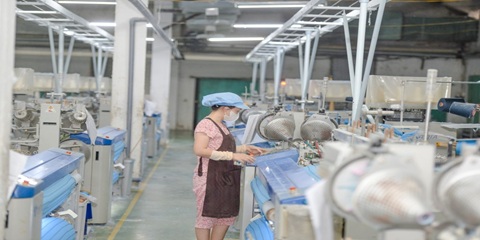
Lâm Đồng Province attracted 70 newly registered investment projects worth a combined VNĐ176.5 trillion (approximately US$7 billion) in the first 10 months of this year, up 18 projects year-on-year, according to the provincial People’s Committee. Industrial production, trade and tourism continued to post strong growth during the period.
GARMENT / TEXTILE
VIETNAM MANUFACTURING GROWTH EASES IN OCTOBER AS EXPORT ORDERS FALL
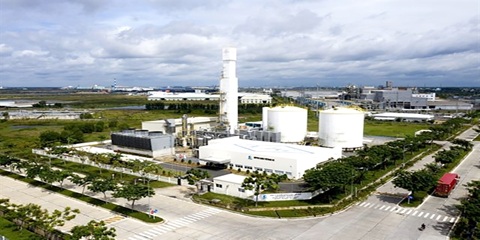
The S&P Global Vietnam Manufacturing Purchasing Managers' Index ticked up to 52.3 points in October from 51.9 points in September, pointing to a further modest monthly strengthening in the health of the sector at the start of the fourth quarter. Business conditions have now improved in 16 consecutive months. The overall improvement in operating conditions was limited by slower rises in output and new orders.
VIETNAM ECONOMY INVESTMENT
FDI INFLOWS FROM JANUARY TO OCTOBER POST STRONGEST GROWTH SINCE 2009
Total registered foreign direct investment (FDI) in Việt Nam reached US$54.85 billion as of October 31 this year, up 74 per cent year-on-year – the highest level since 2009, the Ministry of Finance’s National Statistics Office reported on Tuesday. The figure comprises newly registered capital, additional investment by existing projects and capital contributions and share purchases by foreign investors.
VIETNAM ECONOMY INVESTMENT
STANDARD CHARTERED FORECASTS VIỆT NAM’S GROWTH FOCUS IN 2027, POTENTIAL STABILITY SHIFT IN 2028
Standard Chartered forecasts Việt Nam’s GDP growth will reach 9.5 per cent in 2026 and 11 per cent in 2027, while raising its 2028 projection to 9.1 from 6.7 per cent, supported by fiscal and monetary policy, robust FDI inflows and stronger domestic demand, according to its latest report. The bank expects growth to remain in the double digits in early 2027, supporting household income and prospects for the consumer sector. Disbursed FDI rose by 12 per cent year-to-date in the first nine months of 2026.
Events Sponsors






















