Want to be in the loop?
subscribe to
our notification
Business News
NEXT FEW YEARS WILL DECIDE FUTURE OF VIETNAM'S SEMICONDUCTOR INDUSTRY
For Vietnam to become a crucial link in the global semiconductor ecosystem, it must objectively assess and address existing limitations to build and develop a robust industry in the next three years.
On July 31, Vietnam's efforts in pursuing its semiconductor aspirations were highlighted as industry experts gathered at a seminar on building the semiconductor industry ecosystem at Hanoi University of Science and Technology.
At the gathering, experts concurred that the upcoming three years are critical for Vietnam’s semiconductor ecosystem to make significant strides.
“Although Vietnam has entered the ecosystem, it has only contributed human resources, not the entire market,” said Nguyen Thanh Yen, CEO of semiconductor design services provider CoAsia Semi. “Vietnam has successfully attracted many major semiconductor corporations over the years, not because it is a potential commercial market, but because these tech giants choose to invest and expand here. Samsung, Intel, Hana, and Micron come to Vietnam primarily to leverage its workforce.”
Yen added that the industry could face a shortage of about half a million chip engineers by 2030, presenting a unique opportunity for Vietnam to excel in the semiconductor landscape.
According to Chu Duc Trinh, rector of the University of Engineering and Technology at Vietnam National University Hanoi, while human resources are Vietnam's key attraction for leading global corporations, the time to capitalise on this advantage is running out.
“The next few years are Vietnam’s last chance. With signs of an ageing population, if Vietnam doesn’t seize this opportunity, it will grow old before it grows rich,” he stated.
Despite the opportunities, Trinh pointed out that Vietnam's suppliers are not keeping pace with their foreign counterparts.
“To build a strong semiconductor ecosystem, Vietnam still needs to attract foreign-invested enterprises but must also have strategies to foster the development of Vietnamese enterprises,” Trinh said. “When I work with large foreign corporations, they express a desire to find local suppliers to collaborate with, but Vietnam currently lacks suppliers that can meet their standards.”
Yen of CoAsia Semi echoed this sentiment, suggesting that Vietnamese graduates often lack a comprehensive understanding of their jobs, indicating that academic programmes are not aligned with industry needs.
“If students only learn theoretical knowledge and only receive practical training when they start working, it is too late. Educational institutions need to equip students early with both professional skills and soft skills, along with work culture,” Yen said.
The experts believe that to enhance the workforce's capabilities, universities need to incorporate practical knowledge from enterprises into their curricula, allowing students to gain industrial-scale production experience before graduation.
Additionally, Vietnam needs to pay special attention to small- and medium-sized domestic enterprises. Without nurturing and having good policies for these businesses, developing the entire ecosystem will be challenging.
“The reason why Taiwan and South Korea have developed into semiconductor hubs today is due to substantial government support, which played a crucial role. The governments of these markets did not view investment as a means to seek profit but looked at the development of the entire semiconductor ecosystem,” Trinh added.
Source: VIR
Related News

CHARITY / EXHIBITION / OTHER EVENTS
INVESTMENT OPPORTUNITIES IN CA MAU PROVINCE: 96 PROJECTS AND 20 STRATEGIC PROJECTS
We are pleased to share with you information on investment projects currently seeking investors in Ca Mau Province. Should your esteemed company or association be interested, we kindly invite you to review the project information and complete the registration form via the links provided. The Ho Chi Minh City Investment and Trade Promotion Centre (ITPC) will consolidate the expressions of interest and facilitate connections with the leadership of Ca Mau Province at a meeting tentatively scheduled for 13 November 2026 in Ho Chi Minh City.

MEMBER CORNER / PROMOTIONS
BẰNG KIỀU LIVESHOW - A SYMPHONY OF LOVE UNDER THE GOLDEN GLOW
A masterclass in live music that takes the audience on a soulful journey through immortal love songs, guided by the peerless artistry and emotive storytelling of renowned singer Bằng Kiều. The highlight of the night is his seamless musical chemistry with special guest Triệu Hồng Ngọc, promising passionate and deeply resonant duets inside the magnificent Grand Ballroom.
INFRASTRUCTURE / CONSTRUCTION / LOGISTIC / PORT
ĐÀ NẴNG GREEN-LIGHTS US$105 MILLION THAI DEVELOPMENT DEAL
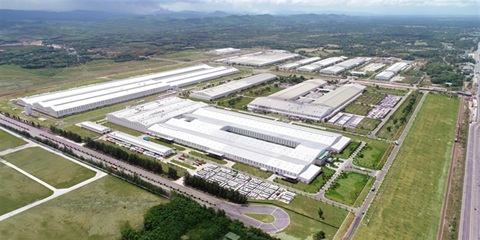
The central city has approved an investment proposal by Thailand’s WHA Group to develop infrastructure for the 400ha WHA Đà Nẵng Industrial Park project on two communes of Thăng Bình and Đồng Dương, with an investment of more than VNĐ2.7 trillion (US$105 million). The city said it approved WHA Industrial Development International's status as an investor in the project, which is expected to take place between 2027 and 2034.
VIETNAM ECONOMY INVESTMENT
MOBILE PHONE EXPORTS RISE 20% TO $51.8 BILLION IN FIRST NINE MONTHS
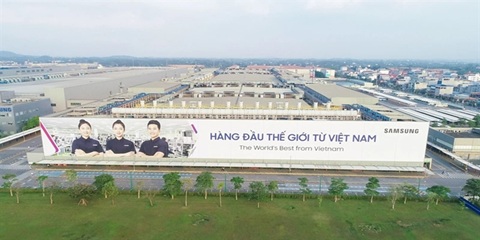
Exports of mobile phones and components rose 20 per cent year-on-year to nearly US$51.8 billion in the first nine months of 2026, with China, the US and Republic of Korea accounting for more than half of the total. Shipments to the three markets reached a combined $26.18 billion, or 50.6 per cent of total exports of the product group during the period, according to data from the Vietnam Department of Customs under the Ministry of Finance.
INFRASTRUCTURE / CONSTRUCTION / LOGISTIC / PORT
VIỆT NAM-CAMBODIA TRADE GATHERS PACE TOWARDS $20 BILLION TARGET
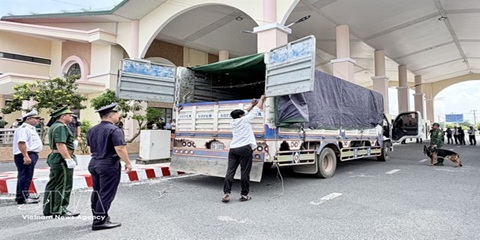
Trade between Việt Nam and Cambodia continues to grow, remaining a bright spot and a key pillar of bilateral cooperation as the two countries aim to raise two-way trade to US$20 billion in the coming years. After setting a record of more than $11.3 billion last year, bilateral trade reached about $8.7 billion in the first eight months of this year, up 8.3 per cent year on year.
VIETNAM ECONOMY INVESTMENT
FRUIT AND VEGETABLE EXPORTS POISED TO HIT $10 BILLION IN 2026
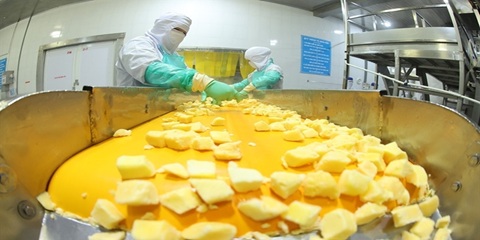
Fruit and vegetable exports are on track to reach nearly US$10 billion in 2026, after rising 19.9 per cent year on year to nearly US$7.4 billion in the first nine months, driven by strong seasonal demand and abundant tropical fruit supplies. The Ministry of Agriculture and Environment said the growth reflected stronger international demand for fresh produce and processed agricultural products.
Events Sponsors






















