Want to be in the loop?
subscribe to
our notification
Business News
VIETNAM'S MANUFACTURING OUTPUT CONTINUES TO CLIMB IN AUGUST
Manufacturing production continued to increase in the Vietnam during August, but at a slower pace amid subdued demand.
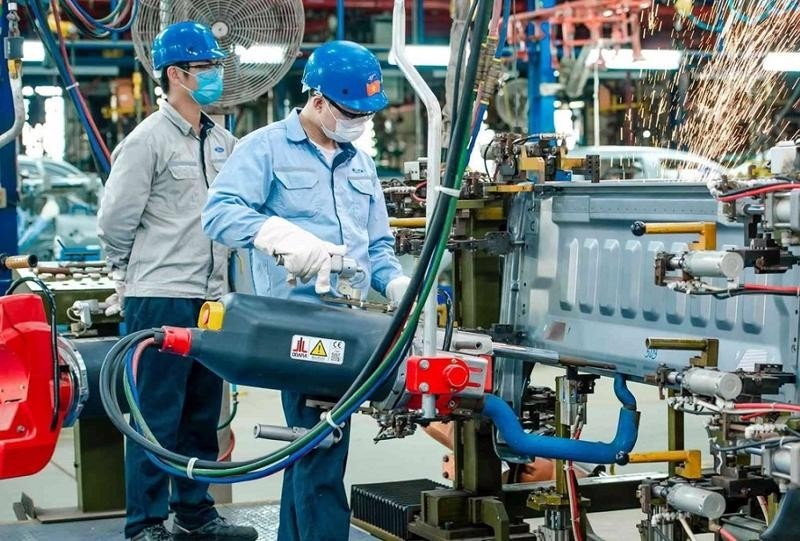
According to an S&P Global report released on September 3, the Vietnam Manufacturing Purchasing Managers' Index (PMI) remained above the 50-point no-change mark in August and signalled a second consecutive monthly improvement in the manufacturing sector. That said, at 50.4 points, the PMI was down from 52.4 points in July and registered only a marginal strengthening in business conditions.
The main positive from the latest survey was a sustained expansion of manufacturing production, with growth recorded for the fourth month running. The increase in August was solid, albeit slower than that seen in July. Those firms that raised output did so in response to positive new order inflows, while the slowdown in the upturn reflected reports of a subdued demand environment.
New orders decreased in August, after having risen for the first time in four months during July. Demand was muted, in part due to US tariffs. Issues around tariffs meant that new export orders continued to fall for the tenth month running. The solid reduction seen in August was sharper than that seen for total new business.
With new orders down, manufacturers again scaled back their workforce numbers midway through the third quarter of the year. Employment decreased for the eleventh successive month, and at a modest pace. The drop in new orders, however, meant that spare capacity remained evident in the sector. Backlogs of work fell markedly, and to the largest degree since April.
Stocks of finished goods were also down as firms reported a reluctance to hold inventories at a time of falling new orders, and the dispatch of finished products to customers.
While manufacturers reduced their staffing levels and stocks of finished goods, an increase in purchasing activity was recorded for the second month running, linked by panellists to higher output requirements and efforts to build stocks ahead of an expected improvement in demand.
Stocks of purchases fell, however, amid reports of a reduction of imports. Material shortages also impacted efforts to secure inputs, with suppliers' delivery times lengthening.
Material shortages, tariffs, and increased transportation costs meant that input prices increased again in August. The rate of inflation ticked higher and was the fastest in 2025 so far, albeit still weaker than the series average.
Business confidence strengthened to a six-month high in August, albeit remaining below the series average. A number of respondents predicted an improvement in new orders over the coming year, supporting optimism around output. On the other hand, concerns around global economic conditions limited confidence.
Andrew Harker, economics director at S&P Global Market Intelligence, said, "While it was positive to see output expand again during August, a renewed fall in new orders calls into question how long firms will be able to keep increasing production. The drop in new sales was led by exports, which decreased solidly again as issues around tariffs continued to impact the sector."
"Firms were at least more confident in the year-ahead outlook, in part based on hopes of a pick-up in demand, which encouraged a rise in purchasing activity. Manufacturers were hampered to some extent by material shortages, however," Harker said.
"With the path ahead for tariffs seemingly more stable now, the predicted improvements in demand will hopefully materialise in the months ahead, helping to maintain production growth in the sector," Harker added.
Source: VIR
Related News

MEMBER CORNER / PROMOTIONS
BẰNG KIỀU LIVESHOW - A SYMPHONY OF LOVE UNDER THE GOLDEN GLOW
A masterclass in live music that takes the audience on a soulful journey through immortal love songs, guided by the peerless artistry and emotive storytelling of renowned singer Bằng Kiều. The highlight of the night is his seamless musical chemistry with special guest Triệu Hồng Ngọc, promising passionate and deeply resonant duets inside the magnificent Grand Ballroom.
INFRASTRUCTURE / CONSTRUCTION / LOGISTIC / PORT
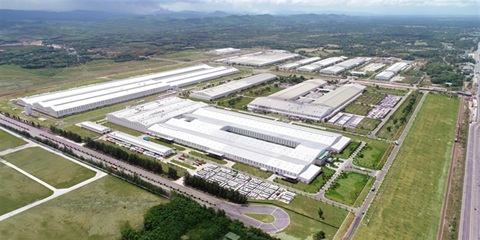
ĐÀ NẴNG GREEN-LIGHTS US$105 MILLION THAI DEVELOPMENT DEAL
The central city has approved an investment proposal by Thailand’s WHA Group to develop infrastructure for the 400ha WHA Đà Nẵng Industrial Park project on two communes of Thăng Bình and Đồng Dương, with an investment of more than VNĐ2.7 trillion (US$105 million). The city said it approved WHA Industrial Development International's status as an investor in the project, which is expected to take place between 2027 and 2034.
VIETNAM ECONOMY INVESTMENT
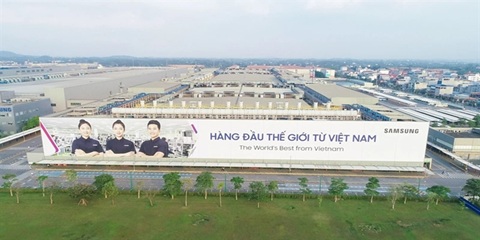
MOBILE PHONE EXPORTS RISE 20% TO $51.8 BILLION IN FIRST NINE MONTHS
Exports of mobile phones and components rose 20 per cent year-on-year to nearly US$51.8 billion in the first nine months of 2026, with China, the US and Republic of Korea accounting for more than half of the total. Shipments to the three markets reached a combined $26.18 billion, or 50.6 per cent of total exports of the product group during the period, according to data from the Vietnam Department of Customs under the Ministry of Finance.

INFRASTRUCTURE / CONSTRUCTION / LOGISTIC / PORT
VIỆT NAM-CAMBODIA TRADE GATHERS PACE TOWARDS $20 BILLION TARGET
Trade between Việt Nam and Cambodia continues to grow, remaining a bright spot and a key pillar of bilateral cooperation as the two countries aim to raise two-way trade to US$20 billion in the coming years. After setting a record of more than $11.3 billion last year, bilateral trade reached about $8.7 billion in the first eight months of this year, up 8.3 per cent year on year.
VIETNAM ECONOMY INVESTMENT
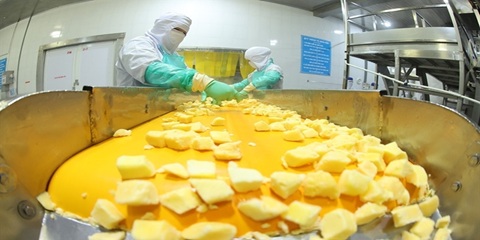
FRUIT AND VEGETABLE EXPORTS POISED TO HIT $10 BILLION IN 2026
Fruit and vegetable exports are on track to reach nearly US$10 billion in 2026, after rising 19.9 per cent year on year to nearly US$7.4 billion in the first nine months, driven by strong seasonal demand and abundant tropical fruit supplies. The Ministry of Agriculture and Environment said the growth reflected stronger international demand for fresh produce and processed agricultural products.
GARMENT / TEXTILE
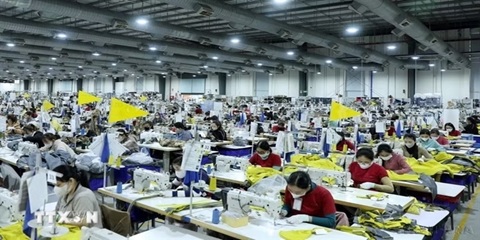
TEXTILE EXPORTS FACE DUAL CHALLENGES OF SUSTAINING ORDERS AND BOOSTING EFFICIENCY AMID GROWING COMPETITION
Data shows that the textile and garment sector maintained its growth momentum in the first nine months of this year. The industry's total export turnover reached an estimated US$35.721 billion in the first nine months of this year, up 3.3 per cent year-on-year. Despite posting encouraging export figures, Vietnamese textile and garment enterprises continue to navigate unpredictable market variables.
Events Sponsors






















