Want to be in the loop?
subscribe to
our notification
Business News
TECHNOLOGY ASSESSMENT IN THE CONTEXT OF INNOVATION AND GREEN TRANSFORMATION
Vietnam's new vision on strategic foreign direct investment means that the work of Vinacontrol Group in terms of technology assessment is deemed more vital than ever.
Vinacontrol Group is currently one of only two organisations nationwide designated by the Ministry of Science and Technology to conduct technology assessment under Decision No.29/2023/QD-TTg, placing it at the centre of a process that increasingly determines whether an investment project can proceed, be adjusted, or be extended. That designation carries weight precisely because the stakes for enterprises are rarely abstract.
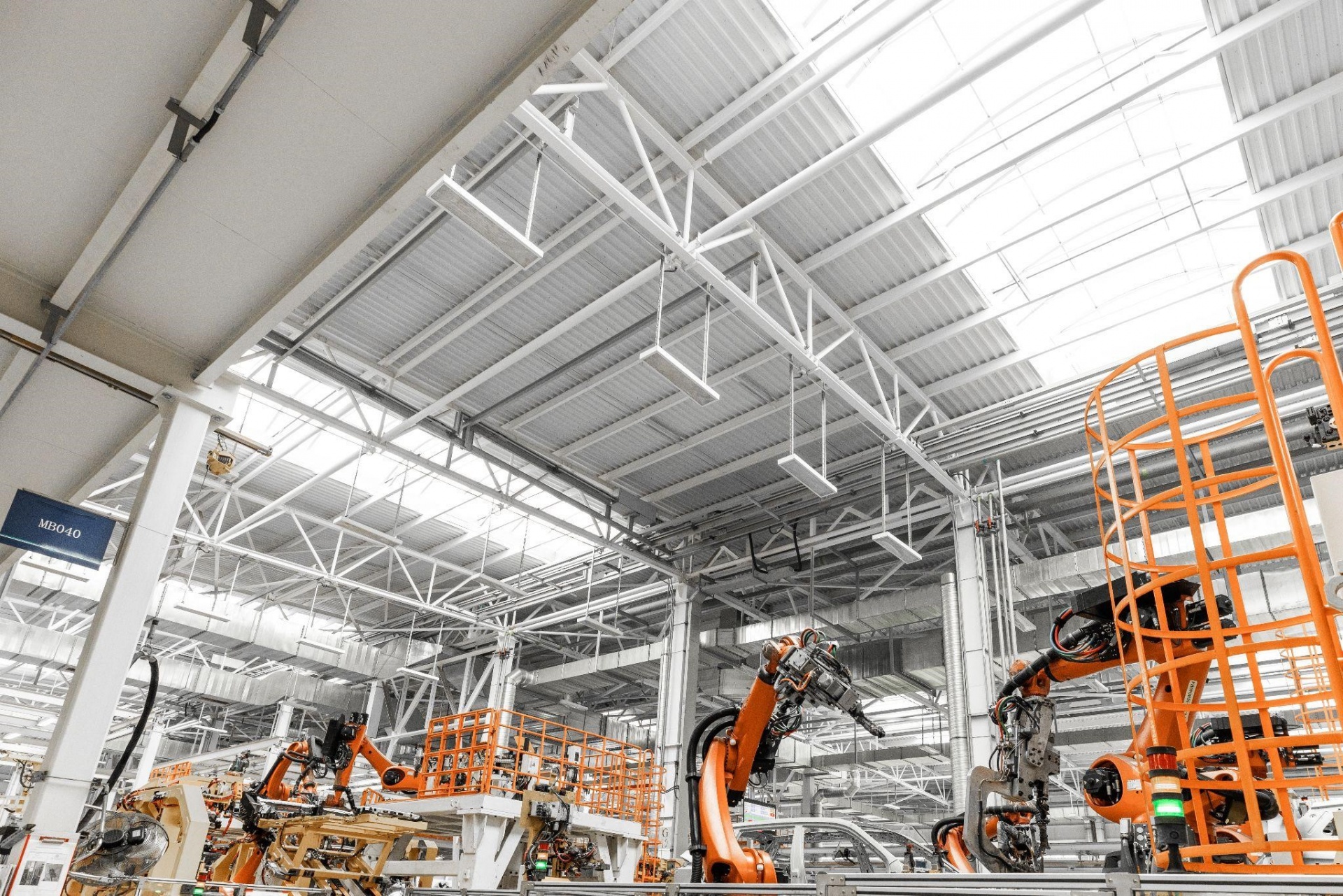
As green innovation reshapes the industrial sector, production assets have become the ultimate test of operational compliance, environmental responsibility, and long-term competitiveness.
Resolution No.10-NQ/TW, issued in June, marks a shift in thinking. Vietnam will no longer pursue foreign investment by sheer volume; capital must now carry core technology, contribute to innovation-led growth, and be governed across its full lifecycle. For enterprises, this recalibration is felt most directly in licensing, financing, and supply chain audits.
Equipment that is poorly documented or energy-intensive may deliver short-term output, yet it equally invites operational issues, regulatory rejection, and diminished trust among lenders and global buyers. Enterprises are required to demonstrate not merely the age of their machinery, but its integrity, safety, and efficiency.
Within this broader policy framework, Decision No.29/2023/QD-TTg sets out the dossier, sequence, and procedures for determining whether an investment project uses outdated technology, poses potential environmental pollution risks, or consumes resources inefficiently.
In practice, enterprises seeking project adjustment, extension, or regulatory confirmation must prepare reliable technical evidence to demonstrate the actual status of their machinery and technological lines, rather than relying on self-declaration.
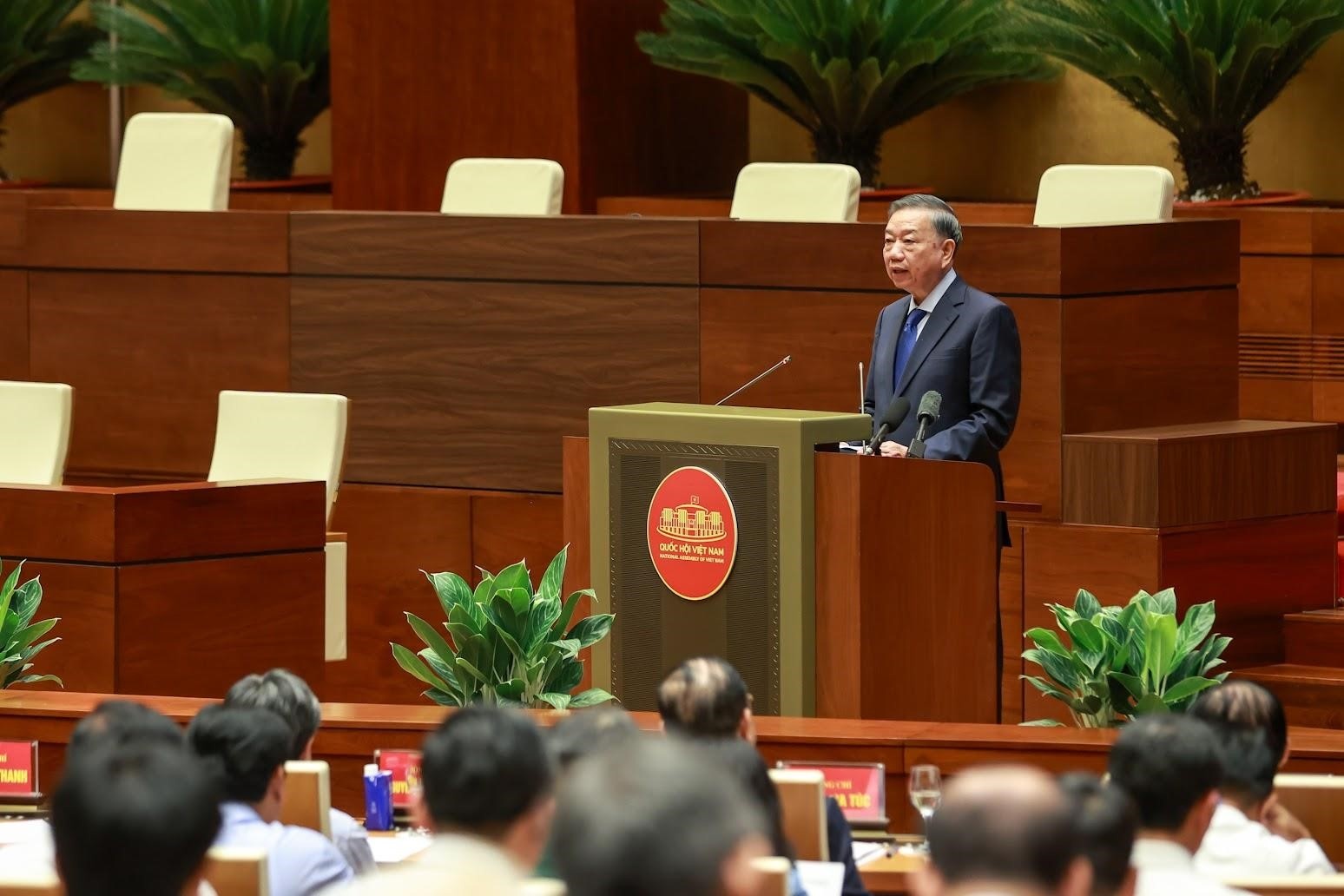
General Secretary and President To Lam directed Congress to fully implement Resolution No.10-NQ/TW.
Photo: Vietnam Government Portal
Administrative facilitation, however, is not to be mistaken for a compromise on quality. Earlier this year, Vietnam has cut expert review timelines for used machinery imports from 10 working days to five.
From Vinacontrol's perspective as an independent conformity assessment body, this shift establishes a more exacting regulatory balance. Legitimate production moves faster, yet the burden of proof has grown correspondingly heavier, requiring precise and defensible technical evidence to be in place from the very outset.
Amid this tightening regulatory landscape, not every organisation is positioned to guide enterprises through it. Consider a manufacturer in the textile industry, operating in the northeastern province of Quang Ninh, that approached Vinacontrol as its project neared the deadline for an extension licence, with no documented proof on hand that its production line still met current technology standards.
Vinacontrol's engineers set to work reconstructing that proof from the ground up. They pored over the enterprise's technical dossier, equipment manuals, engineering drawings, operating parameters, and maintenance logs, before heading to the factory floor to see for themselves how the machinery had actually held up: its wear and depreciation, its year of manufacture, how much energy it consumed, and whether its emissions still sat within environmental limits.
That fieldwork fed directly into a technical assessment plan and a round of formal measurement, and once the findings were weighed against Vietnam's technology classification criteria, they were distilled into an official inspection certificate in the prescribed format, a process that, depending on how large and complex the project is, generally unfolds over 15-30 working days.
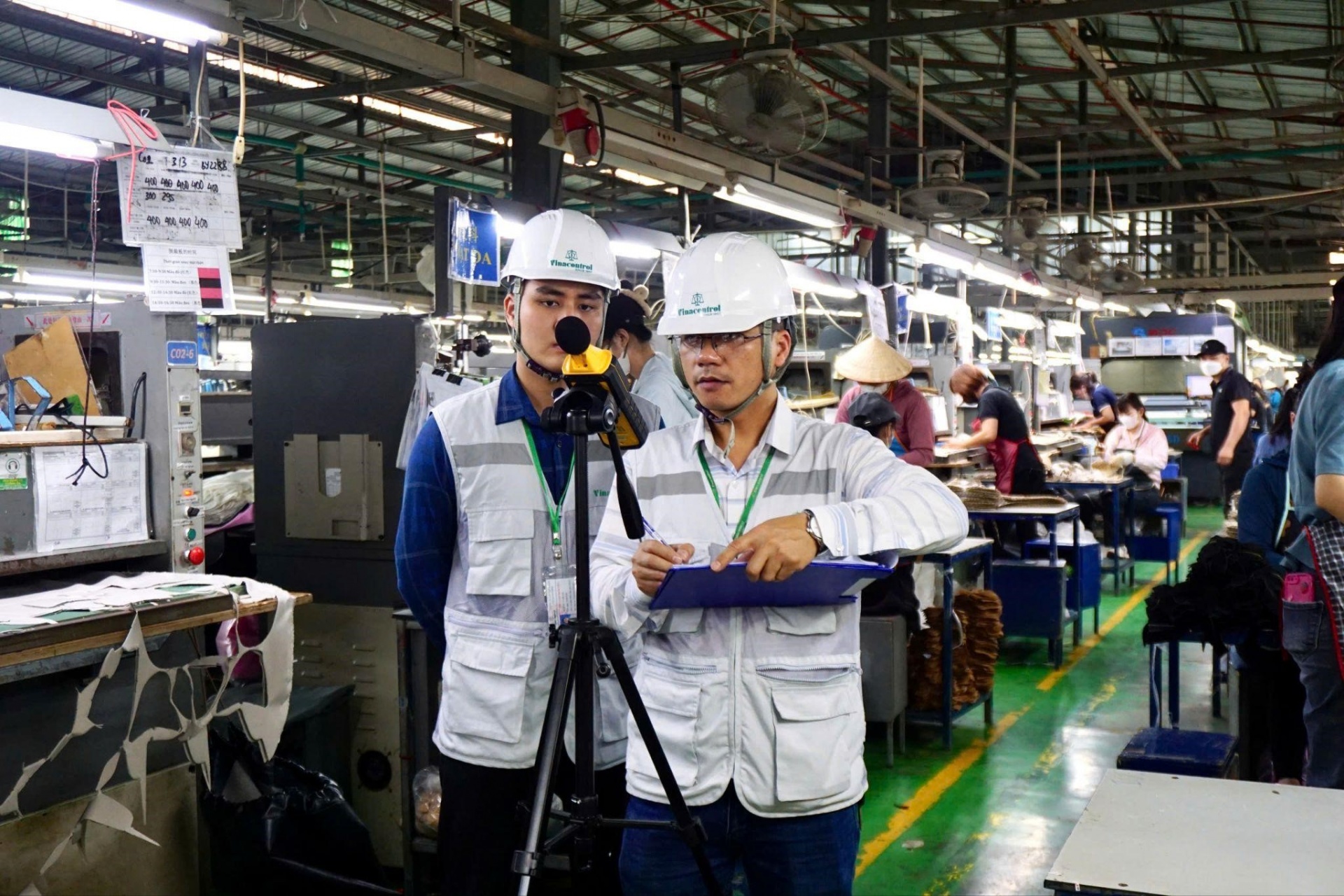
Vinacontrol experts conducting on-site inspection. Photo: Vinacontrol
The enterprise, racing against its own deadline, came away with exactly the evidence it needed and secured approval for its project extension.
Had that certification arrived too late, the consequences would have reached well beyond a paperwork delay: production would have been forced to a halt, shipments to international buyers already committed under signed contracts would have slipped, and the enterprise would have been left exposed to cancellation claims and damages.
By its own estimate, timely certification spared the company losses in the region of $1.4 million, a figure that says as much about the stakes of technology assessment as any regulation could.
Vinacontrol says that enterprises with the best odds of winning a licence extension are the ones that start looking inward long before they start filling out forms. That means taking an honest look at the technological line, machinery, and equipment already in operation and measuring it against the criteria for outdated, energy-intensive, or polluting technology.
Where that review turns up equipment carrying real risk, the smart move is to plan its replacement or upgrade well ahead of submission, not scramble to justify it afterwards, the group added.
Source: VIR
Related News
MEMBER CORNER / PROMOTIONS
A CULINARY MASTERPIECE
Don't need a special occasion to treat yourself to a perfect Chinese dining experience. This October, Ngan Dinh Restaurant introduces an exquisite three-dish menu, promising to satisfy diners who appreciate culinary innovation and refined flavors. Enjoy 20% OFF a glass of house red/white wine, or Imported German Veltins Draught Beer/Maisel's Weisse Dunkel when ordering any of the above dishes!

MEMBER CORNER / PROMOTIONS
ONE YEAR OF PRIME MOMENTS — LET’S CELEBRATE!
Olivia’s Prime Saigon is turning one, and we’d love to celebrate this special milestone with you! Order any featured steak size and enjoy all its designated complimentary pasta, side dishes and sauces — with a combined value of up to 80% of your steak price! Thank you for being part of our journey. Here’s to great steaks, wonderful company, and many more prime moments together!
MEMBER CORNER / PROMOTIONS
SENTRYSAFE - PROTECT WHAT MATTERS MOST
From cash, important documents and records to valuable belongings, a quality safe gives you greater peace of mind against unexpected risks. SentrySafe - a trusted safe brand from the USA, suitable for homes, offices and various storage needs. Contact Sen Wai Vietnam for expert advice and to find the right safe for your needs.

MEMBER CORNER / PROMOTIONS
50% DISCOUNT FOR HKBAV MEMBER: EUGENE ONEGIN - EIFMAN BALLET OF ST. PETERSBURG WORLD TOUR 2026
Adapted from the classic novel in verse by acclaimed Russian poet Alexander Pushkin, Eugene Onegin explores timeless themes of love, pride, choices, and irreversible regret. Eifman's distinctive language of psychological ballet is brought to life through Tchaikovsky's music alongside contemporary rock by Alexander Sitkovetsky, creating an extraordinary artistic experience.
MEMBER CORNER / PROMOTIONS
COSMOPARK – ENERGY ADVANTAGES FOR POWER-INTENSIVE INDUSTRIES
As global corporations place increasing emphasis on energy security, renewable energy adoption, and carbon emissions reduction, electricity is no longer viewed merely as a component of technical infrastructure. For high-tech projects, data centers, and large-scale manufacturing facilities, reliable energy infrastructure has become a critical factor in investment location decisions.
VIETNAM ECONOMY INVESTMENT
FOREIGN INVESTORS TO BE WIDENED FOR MARKET ACCESS
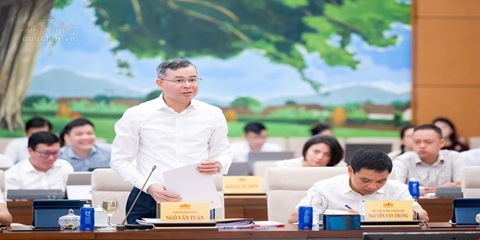
Vietnam is moving to widen market access, improve investment incentives, and streamline procedures, with greater support tied to investors’ actual commitments and results, as part of the law on amending and supplementing a number of articles of the Law on Investment. The proposal was mentioned at the sixth session of the National Assembly Standing Committee in Hanoi on September 30, on amending the Law on Investment.
Events Sponsors






















