Want to be in the loop?
subscribe to
our notification
Business News
VIETNAM OUTLINES SUSTAINABLE AGRICULTURE AGENDA FOR NEXT FIVE YEARS
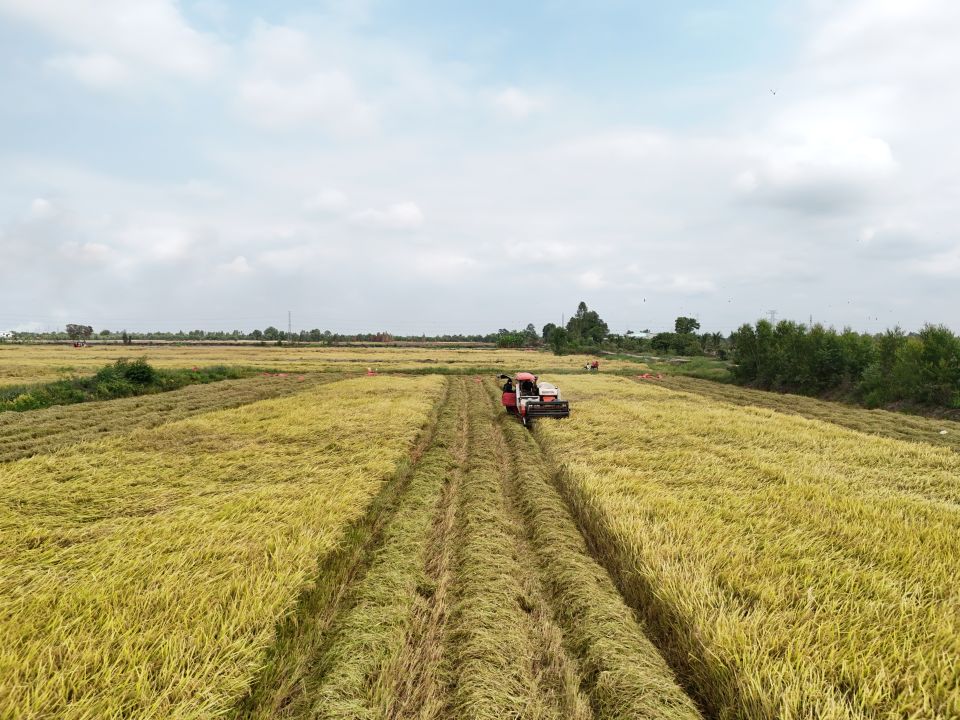
Harvesting rice in the southern province of Tay Ninh - PHOTO: LE VU
HCMC – Vietnam’s agriculture sector has set targets of achieving average annual GDP growth of 3.6-4%, increasing export revenue by 10-12% per year, and cutting greenhouse gas emissions by 8-9% over the next five years.
The targets form the core of a broader strategy to shift from low-value agricultural production toward higher-value products and build an ecological, green and low-emission agricultural sector with more efficient resource management.
The economic, social and environmental goals are outlined in Decision No. 1806/QD-BNNMT on implementing the Government’s key tasks for the 2026-2031 term in the agriculture and environment sectors, recently issued by the Ministry of Agriculture and Environment.
In addition to growth and emissions reduction targets, the plan sets a range of social and environmental objectives, including raising rural incomes to 2.5-3 times the 2020 level, increasing wastewater treatment rates in river basins to 65-70%, maintaining forest coverage above 42%, and ensuring that 65% of communes meet new rural development standards by 2030 while promoting sustainable poverty reduction and broader access to clean water.
The implementation plan comes as the 2026-2031 period is identified as the opening stage for carrying out the resolution of the 14th National Party Congress and laying the groundwork for the economy’s longer-term double-digit growth ambitions.
Against a backdrop of global economic uncertainty, the ministry outlined an action agenda centered on creating new development conditions, opening new growth space and generating new growth drivers. The strategy aims to restructure the sector through larger and more sustainable raw material zones that are resilient to climate change and capable of delivering multiple forms of value.
To support these goals, the ministry identified institutional reform and legal improvements as strategic breakthroughs. Authorities plan to implement 17 related laws while proactively revising key legislation, including the Land Law, the Law on Environmental Protection, the Law on Water Resources and the Fisheries Law.
State management is also expected to shift from a pre-approval approach to stronger post-inspection oversight, alongside greater decentralization to reduce compliance costs for businesses and citizens. The plan sets specific targets to improve the business environment, including reducing at least 30% of conditional business lines and cutting administrative processing time and costs by 50%.
Source: The Saigon Times
Related News

INFRASTRUCTURE / CONSTRUCTION / LOGISTIC / PORT
VIỆT NAM-CAMBODIA TRADE GATHERS PACE TOWARDS $20 BILLION TARGET
Trade between Việt Nam and Cambodia continues to grow, remaining a bright spot and a key pillar of bilateral cooperation as the two countries aim to raise two-way trade to US$20 billion in the coming years. After setting a record of more than $11.3 billion last year, bilateral trade reached about $8.7 billion in the first eight months of this year, up 8.3 per cent year on year.
TECHNOLOGY
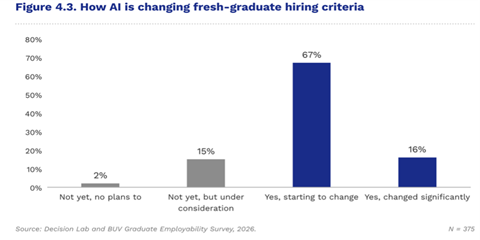
AI BEGINNING TO RESHAPE RECRUITMENT CRITERIA
Digital literacy is the only capability area in which fresh graduates meet employers’ expectations, according to a new report. Yet, it is also the standard rising fastest, as businesses increasingly expect new hires to use AI effectively in the workplace. Some 83 per cent of employers say AI has changed, or is beginning to change, their hiring criteria, while 94 per cent report higher expectations for digital and AI capabilities than they had two to three years ago.

INFRASTRUCTURE / CONSTRUCTION / LOGISTIC / PORT
ĐÀ NẴNG GREEN-LIGHTS US$105 MILLION THAI DEVELOPMENT DEAL
The central city has approved an investment proposal by Thailand’s WHA Group to develop infrastructure for the 400ha WHA Đà Nẵng Industrial Park project on two communes of Thăng Bình and Đồng Dương, with an investment of more than VNĐ2.7 trillion (US$105 million). The city said it approved WHA Industrial Development International's status as an investor in the project, which is expected to take place between 2027 and 2034.

VIETNAM ECONOMY INVESTMENT
MOBILE PHONE EXPORTS RISE 20% TO $51.8 BILLION IN FIRST NINE MONTHS
Exports of mobile phones and components rose 20 per cent year-on-year to nearly US$51.8 billion in the first nine months of 2026, with China, the US and Republic of Korea accounting for more than half of the total. Shipments to the three markets reached a combined $26.18 billion, or 50.6 per cent of total exports of the product group during the period, according to data from the Vietnam Department of Customs under the Ministry of Finance.

VIETNAM ECONOMY INVESTMENT
FRUIT AND VEGETABLE EXPORTS POISED TO HIT $10 BILLION IN 2026
Fruit and vegetable exports are on track to reach nearly US$10 billion in 2026, after rising 19.9 per cent year on year to nearly US$7.4 billion in the first nine months, driven by strong seasonal demand and abundant tropical fruit supplies. The Ministry of Agriculture and Environment said the growth reflected stronger international demand for fresh produce and processed agricultural products.
GARMENT / TEXTILE
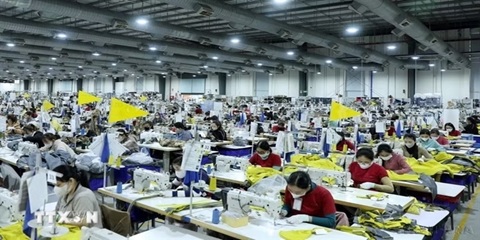
TEXTILE EXPORTS FACE DUAL CHALLENGES OF SUSTAINING ORDERS AND BOOSTING EFFICIENCY AMID GROWING COMPETITION
Data shows that the textile and garment sector maintained its growth momentum in the first nine months of this year. The industry's total export turnover reached an estimated US$35.721 billion in the first nine months of this year, up 3.3 per cent year-on-year. Despite posting encouraging export figures, Vietnamese textile and garment enterprises continue to navigate unpredictable market variables.
Events Sponsors






















