Want to be in the loop?
subscribe to
our notification
Business News
VIETNAM TARGETS PER-CAPITA GDP OF US$8,500 BY 2030
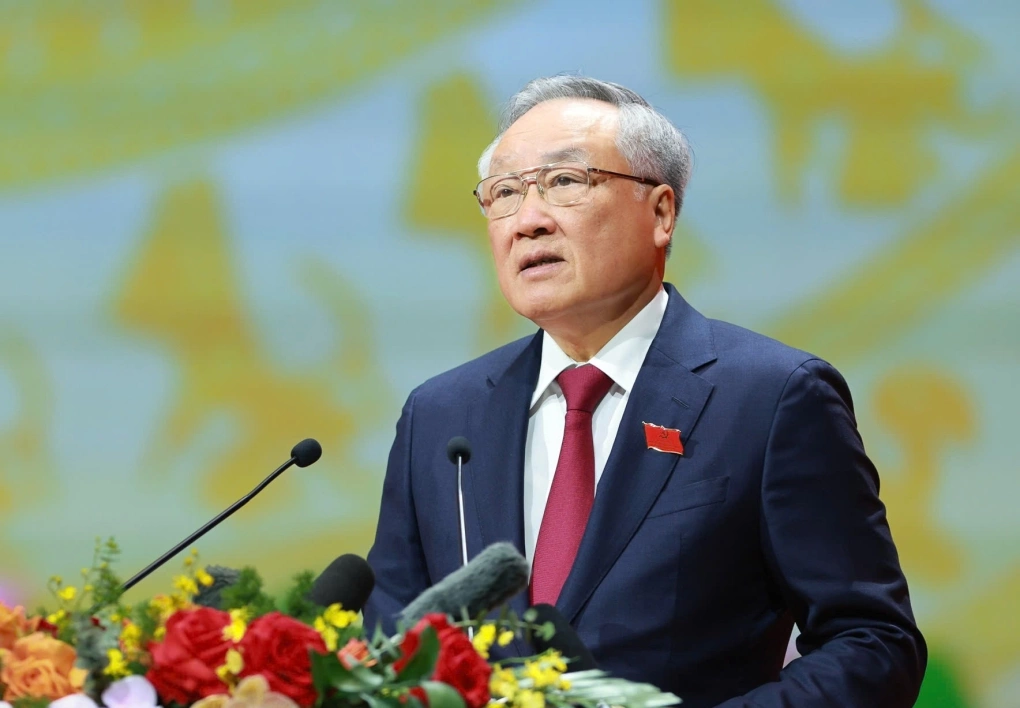
Permanent Deputy Prime Minister Nguyen Hoa Binh - PHOTO: VGP
HCMC – The Vietnamese Government has set an ambitious goal to achieve annual economic growth of 10% or higher, aiming to take the country’s per-capita GDP to around US$8,500 by 2030.
At the first Congress of the Government’s Party Committee for the 2025-2030 tenure that opened today, October 13, Permanent Deputy Prime Minister Nguyen Hoa Binh said Vietnam aims to become a modern industrialized nation with upper-middle income by the end of the decade. The country also targets being among the 30 largest economies in the world and the third largest in ASEAN.
According to the Government’s report, Vietnam’s GDP this year is estimated at US$510 billion, ranking 32nd globally, up five places from five years ago. Per-capita GDP has increased 1.4 times, from US$3,552 in 2020 to over US$5,000 by the end of this year. Meeting the 2030 target would mean a further 1.7-fold rise in per-capita income within the next five years.
Economic growth for 2025 is projected to exceed 8%, creating momentum toward achieving double-digit growth rates in the following years.
During 2021–2025, the state budget revenue is expected to reach VND9.6 quadrillion, 1.6 times higher than in the previous five-year period and above the original target. Vietnam’s total trade could climb to US$850 billion by 2025, putting the country among the world’s top 20 trading nations.
Looking ahead, the Government plans to build a modern national education system aligned with global standards and to invest in high-quality human resources. Infrastructure development will focus on synchronizing urban and rural growth, with cities serving as engines for regional development.
On governance, Binh emphasized the Government’s commitment to fighting corruption and waste and strengthening digital oversight to improve transparency.
To sustain double-digit growth, the Government will pursue a new growth model centered on industrialization, economic restructuring, and innovation. Science, technology, and digital transformation will be key drivers, positioning Vietnam among leading upper-middle-income economies.
Binh noted that inflation, public debt, and budget deficits will remain under control, while emerging growth drivers such as digital transformation, green growth, and the circular economy will be actively promoted.
The Government reaffirmed that the state-owned enterprise sector will continue to play a leading role, while the private sector remains a crucial growth engine. Foreign direct investment (FDI) will be selectively attracted, prioritizing technology transfer and innovation.
Vietnam also aims to complete 5,000 kilometers of expressways by 2030 and fully open the coastal highway, as well as railway projects linking Lao Cai – Hanoi – Haiphong and urban metro systems in Hanoi and HCMC (each 100 kilometers long).
Plans to develop nuclear energy will be revisited, with the Ninh Thuan 1 and 2 plants expected to be operational after 2030, using new, safe technologies.
Human resource development will focus on 11 strategic technology sectors, with the digital economy expected to account for at least 30% of GDP by 2030.
Earlier, Prime Minister Pham Minh Chinh highlighted Vietnam’s recent socio-economic achievements and urged delegates to propose breakthrough solutions to sustain macroeconomic stability, control inflation, and achieve average annual GDP growth of 10% or higher during 2026–2030.
He also called for accelerating institutional reforms to unlock productivity and fully harness both traditional and new growth engines, including digital and green economies.
Source: The Saigon Times
Related News

INFRASTRUCTURE / CONSTRUCTION / LOGISTIC / PORT
VIỆT NAM-CAMBODIA TRADE GATHERS PACE TOWARDS $20 BILLION TARGET
Trade between Việt Nam and Cambodia continues to grow, remaining a bright spot and a key pillar of bilateral cooperation as the two countries aim to raise two-way trade to US$20 billion in the coming years. After setting a record of more than $11.3 billion last year, bilateral trade reached about $8.7 billion in the first eight months of this year, up 8.3 per cent year on year.
TECHNOLOGY
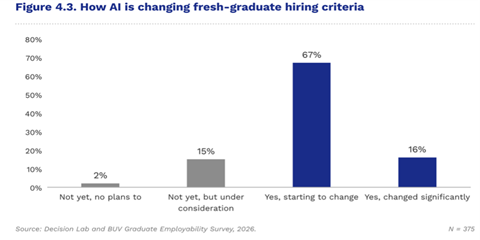
AI BEGINNING TO RESHAPE RECRUITMENT CRITERIA
Digital literacy is the only capability area in which fresh graduates meet employers’ expectations, according to a new report. Yet, it is also the standard rising fastest, as businesses increasingly expect new hires to use AI effectively in the workplace. Some 83 per cent of employers say AI has changed, or is beginning to change, their hiring criteria, while 94 per cent report higher expectations for digital and AI capabilities than they had two to three years ago.
INFRASTRUCTURE / CONSTRUCTION / LOGISTIC / PORT
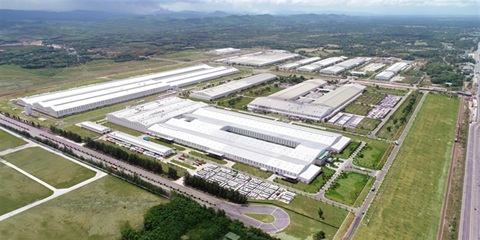
ĐÀ NẴNG GREEN-LIGHTS US$105 MILLION THAI DEVELOPMENT DEAL
The central city has approved an investment proposal by Thailand’s WHA Group to develop infrastructure for the 400ha WHA Đà Nẵng Industrial Park project on two communes of Thăng Bình and Đồng Dương, with an investment of more than VNĐ2.7 trillion (US$105 million). The city said it approved WHA Industrial Development International's status as an investor in the project, which is expected to take place between 2027 and 2034.
VIETNAM ECONOMY INVESTMENT
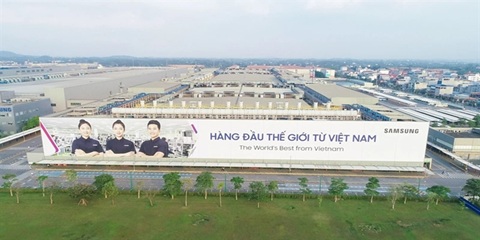
MOBILE PHONE EXPORTS RISE 20% TO $51.8 BILLION IN FIRST NINE MONTHS
Exports of mobile phones and components rose 20 per cent year-on-year to nearly US$51.8 billion in the first nine months of 2026, with China, the US and Republic of Korea accounting for more than half of the total. Shipments to the three markets reached a combined $26.18 billion, or 50.6 per cent of total exports of the product group during the period, according to data from the Vietnam Department of Customs under the Ministry of Finance.
VIETNAM ECONOMY INVESTMENT
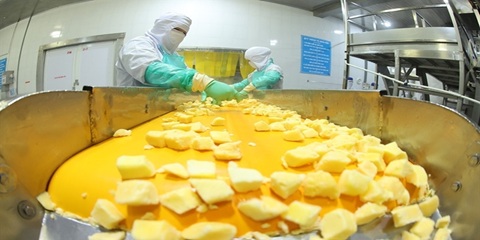
FRUIT AND VEGETABLE EXPORTS POISED TO HIT $10 BILLION IN 2026
Fruit and vegetable exports are on track to reach nearly US$10 billion in 2026, after rising 19.9 per cent year on year to nearly US$7.4 billion in the first nine months, driven by strong seasonal demand and abundant tropical fruit supplies. The Ministry of Agriculture and Environment said the growth reflected stronger international demand for fresh produce and processed agricultural products.
GARMENT / TEXTILE
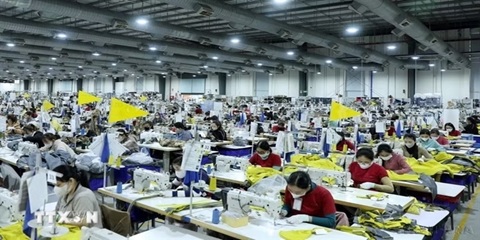
TEXTILE EXPORTS FACE DUAL CHALLENGES OF SUSTAINING ORDERS AND BOOSTING EFFICIENCY AMID GROWING COMPETITION
Data shows that the textile and garment sector maintained its growth momentum in the first nine months of this year. The industry's total export turnover reached an estimated US$35.721 billion in the first nine months of this year, up 3.3 per cent year-on-year. Despite posting encouraging export figures, Vietnamese textile and garment enterprises continue to navigate unpredictable market variables.
Events Sponsors






















